Entry · Ref 1HODVS9R
From Active Elders to High-Need Elderly Care: A Practical Guide to Senior Living Alternatives
- Posted
- 2026-09-30
- Last amended
- 2026-09-30
- Account
- @emiliosrjm187
Business Name: BeeHive Homes of Mesquite
Address: 780 2nd S St, Mesquite, NV 89027
Phone: (702) 381-6899
BeeHive Homes of Mesquite
At BeeHive Homes of Mesquite, Nevada, we offer the finest assisted living experience available in a cozy, comfortable homelike setting. Each of our residents has their own spacious room with an ADA approved bathroom and shower. We prepare and serve delicious home-cooked meals three times a day every day. We maintain a small, friendly elderly care community. We provide regular activities that our residents find fun and contribute to their health and well-being. Our staff is attentive and caring and provides assistance with daily activities to our senior living residents in a loving and respectful manner. We would like to invite you to tour and experience our assisted living home and feel the difference.
780 2nd S St, Mesquite, NV 89027
Business Hours
Families hardly ever sit down to draw up senior living options when everyone is healthy and independent. The discussion typically begins after a fall, a hospitalization, or a scare that makes it difficult to overlook what aging is doing to a loved one's body, memory, or mood. Already, choices feel rushed, jargon starts to blur together, and every pamphlet seems to promise "security and dignity" without discussing what daily life in fact looks like.
I have invested several years sitting with older adults and their families at exactly that point. I have enjoyed people grow due to the fact that they moved early, when they still had energy to construct new routines and relationships, and I have likewise enjoyed households delay up until a move had to take place within 48 hours after a stroke. The goal of this guide is basic: give you a clear, practical view of the continuum of senior care and elderly care, from active independence to high medical requirement, so your decisions feel informed instead of reactive.
The senior living landscape in plain language
The very first issue households face is vocabulary. "Senior care" can suggest anything from a weekly cleaning service to a locked memory care unit. Different states manage these settings under various laws, and marketing departments are not shy about stretching terminology.
Most choices fall along a rough spectrum of support:
Independent living
Assisted living Memory care Experienced nursing and rehabilitation 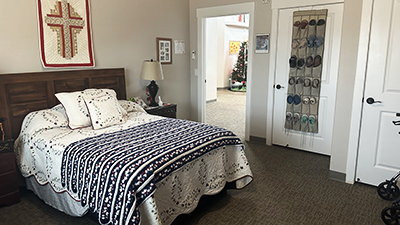
Threaded through all of those are services such as home care, respite care, and adult day programs, which can either delay a move or make a relocation more sustainable.
What matters most is not the label on the door. What matters is the match between a person's capabilities and needs on one hand, and the environment, staffing, and culture of a particular setting on the other.
Start with the individual, not the brochure
Before you compare assisted living with nursing homes, pause and look closely at the individual in front of you. 2 individuals with the same medical diagnosis can need really different kinds of assistance. One 85 years of age with heart failure may still drive, prepare, and manage medications, while another ends up being out of breath crossing a space and needs aid with every shower.
A useful beginning point is to write down, in one truthful sitting, what your loved one can do securely and regularly without aid. Not on their best day, not if you contact us to remind them, however on an ordinary Tuesday when no one is seeing. Focus on three locations: physical function, cognition, and social/psychological needs.
Physical function implies strolling, standing from a chair, toileting, bathing, dressing, handling stairs, and managing household tasks such as laundry or light cooking. Usage particular examples. "Needs help leaving bath tub whenever" tells you more than "showers with help."
Cognition covers memory, analytical, security awareness, and the ability to follow multi-step instructions. Forgetting where the vehicle is parked is an annoyance. Forgetting to shut off the range or leaving the front door broad open overnight is a security issue. Focus on patterns, not one-off lapses after a bad night's sleep.
Social and psychological needs are often underestimated. A widowed 78 years of age who has lost her license may be physically efficient in living alone however quietly depressed and lonely, watching television for 12 hours a day. Another individual may be more introverted and perfectly content with restricted interaction if books and music are offered. Stress and anxiety, paranoia, or extreme sorrow can affect security as much as a weak hip.
Families that require time to map these three domains typically end up selecting better than families who begin with "What can we manage?" or "Which location looks nicest?"
Aging in place: when staying home still works
For numerous older adults, the favored choice is simple: stay home as long as possible. With the right supports, aging in place can be very successful, specifically in the earlier years of decline.
The building blocks of safe aging in location usually include home adjustments, in-home senior care, and thoughtful use of technology. Modifications vary from grab bars and raised toilet seats to stair lifts or transforming a tub to a walk-in shower. The cost varies widely, however minor changes can considerably decrease falls. I have seen a $50 shower chair avoid repeat emergency clinic visits from a single slippery tub.
Home care can be either non-medical or medical. Non-medical caretakers help with cooking, bathing, light housekeeping, errands, and friendship. They are often the first official assistance a family brings in. Medical home health services, normally covered by insurance coverage after a qualifying event, offer nurses, physiotherapists, occupational therapists, and social workers for time-limited episodes such as after a hospitalization.
The main benefits of aging in place are familiarity, control over routine, and the emotional worth of staying in a long-time home. The dangers grow when cognitive problems, frequent falls, or complex medications enter the image. The line in between "with some assistance, this is safe" and "we are counting on luck" can be thin. Families must revisit this choice every couple of months, or sooner after any significant change such as a fall, roaming episode, or cars and truck accident.
Aging in place is not an all-or-nothing choice. Many people utilize respite care stays in a neighborhood for a week or more at a time to offer household caretakers a break or test how their loved one endures a different setting.
Independent living communities: freedom with a safety net
Independent living is typically the first official step far from a single-family home or apartment or condo. These communities are developed for active senior citizens who can manage their own individual care however desire simpler living, more social contact, or quick access to assist if needed.
Most independent living plans appear like apartments or small homes within a campus that uses shared dining, house cleaning, transportation, and activities. Some become part of big continuing care communities that also include assisted living and nursing centers on the exact same grounds. Others are stand-alone buildings with a more minimal variety of services.
In my experience, independent living works best for older grownups who:
- Still manage their own medications and finances.
- Walk safely with or without a walking stick or walker.
- Do not have considerable roaming, paranoia, or agitation from dementia.
- Want social opportunities however do not require everyday triggering to consume, shower, or get dressed.
That line above is the very first list in this article. It matters here because it is easier to scan as a quick "in shape check" than to bury in paragraphs.
The advantages are genuine. People often consume much better once they move since they are no longer cooking just for themselves. Seclusion drops because the barrier to social contact is low: stroll down the hall for coffee, sign up with a workout class on website, sit in the lobby and chat. Housekeeping and maintenance stop providing stress.
The dangers come from presuming that independent living personnel will offer the very same level of help as assisted living. They do not. If somebody starts to miss meals because of early dementia, forgets to use their walker, or stops taking medications, staff might see informally, however they are not required to offer hands-on care. Families require to remain included, at least through regular visits and conversations, so subtle declines do not go unnoticed.
Assisted living: support for daily life
Assisted living is where lots of older grownups initially come across the formal term "elderly care." The goal is to support people who can not safely handle all activities of daily living by themselves however do not yet require 24-hour nursing care.
Typical services in assisted living consist of aid with bathing, dressing, grooming, toileting, and medication management. The majority of citizens receive a minimum of some help with two or three of those activities. Meals are usually supplied in a dining room, and personnel examine that homeowners show up. Many buildings have nurses, but staffing ratios and qualifications vary extensively by state and by company.
Fees in assisted living can be intricate. Some neighborhoods offer "all inclusive" prices, while others utilize a base rate plus levels of care that increase as needs grow. Families are often amazed when expenses rise dramatically after a hospitalization, due to the fact that their loved one now requires aid with transfers, toileting, or two-person assistance for mobility.
A core strength of assisted living is flexibility. A resident may just require pointers and a light touch of aid after a hospitalization, then restore independence with outpatient therapy. Another may slowly move from minimal aid with showers to full assistance with dressing and toileting over numerous years. Excellent communities adjust care strategies frequently and involve the family when requires change.
On the other hand, assisted living is not a locked or medical environment. Homeowners can go out the front door. They can make poor choices if judgement is impaired. If an assisted living building claims it can "do whatever" a nursing home does, ask specifically about staffing ratios, overnight coverage, and the greatest level of care they reasonably handle: two-person transfers, feeding assistance, oxygen, complex medications, or significant behavioral challenges.
Memory care: structure and security for people coping with dementia
Memory care systems are specialized environments for individuals with Alzheimer's illness and other dementias who need more supervision and structure than general assisted living can safely offer. They are generally safe and secure units within a bigger building or entirely different neighborhoods designed around smaller, more controlled spaces.
The staff in a well run memory care community are trained to manage common dementia-related difficulties: wandering, agitation, resistance to bathing, suspicion, and recurring questioning. Daily regimens are often more structured, with activities customized to cognitive level, and the physical design is created to minimize confusion and provide safe walking paths.
Families sometimes resist memory care since they fear it signifies a "moment of truth." In practice, I have actually seen individuals with moderate to advanced dementia in fact end up being calmer in memory care than in conventional assisted living. Less choices, a constant regimen, and personnel who expect and comprehend repetitive habits can lower anxiety for everyone.
It is very important to match the stage of dementia to the neighborhood. Some structures market "memory support" within an assisted living floor, which may work early in the illness. Others are developed for residents who are fully incontinent, mostly nonverbal, and require extensive assistance. Ask direct concerns about who they accept, who they release, and how they manage hostility, exit seeking, and night-time wakefulness.
Skilled nursing and rehab: when medical requirements dominate
Skilled nursing facilities, frequently called nursing homes, serve 2 primary groups of homeowners. The very first group is short-stay rehab customers recovering from surgery, fractures, strokes, or major medical occasions. The 2nd group is long-stay locals with persistent complex needs that can not safely be managed in assisted living or at home.
Rehabilitation stays are senior living normally measured in weeks, periodically a couple of months, and focus greatly on physical, occupational, and sometimes speech therapy. Insurance coverage guidelines mainly dictate who certifies, the length of time they can remain, and what documentation is required. I have actually seen families become annoyed when a loved one seems on the cusp of gaining back self-reliance but the rehab stay ends suddenly since walking range or stair climbing has "plateaued" according to objective measures.
Long-stay nursing home citizens normally require extensive help with nearly every activity of daily living. Numerous are bedbound or chairbound, utilize feeding tubes, or require frequent medical interventions such as injury care or oxygen management. Staffing consists of signed up nurses, accredited nurses, and certified nursing assistants, although real ratios differ significantly by facility and by shift.
The hardest change for households is frequently emotional. Moving a parent to a nursing home can seem like failure, particularly in cultures that highly stress multigenerational care in your home. In reality, for some senior citizens, a nursing facility is the only location that can securely provide the level of competent care they require. The most compassionate thing a household can do at that point is to remain engaged: visit, advocate, and watch thoroughly for any pattern of overlook such as regular inexplicable bruising, weight reduction, or reoccurring infections.
Respite care: offering caregivers space to breathe
Family caretakers are the invisible infrastructure of senior care. Adult kids, partners, and even grandchildren pour countless hours into bathing, feeding, carrying, and monitoring older relatives, often while working or raising kids of their own. Burnout is not a character defect. It is a foreseeable outcome when obligations outstrip support.
Respite care is among the most underused tools offered. It provides short-term relief by briefly putting an older grownup in another setting. This might suggest a few days in an assisted living or memory care apartment, a week in an experienced nursing center for post-acute assistance, or regular attendance at an adult day program.
When caregivers utilize respite before reaching total exhaustion, everyone benefits. The older adult gains direct exposure to a new environment and staff end up being acquainted with their preferences and routines, which can make any future longer stay smoother. The caregiver can sleep, attend to their own medical requirements, travel, or merely reset. I frequently encourage households to set up respite on the calendar simply as they set up medical appointments, not only after a crisis.
Insurance coverage for respite varies. Some long-lasting care policies cover it directly, particular federal government advantages include it under specific programs, and some centers use marked down "trial stays." Asking about respite clearly can open alternatives that are not apparent from marketing materials.
Hospice and end-of-life care: convenience, not abandonment
There comes a point in lots of disease trajectories where the primary objective shifts from prolonging life at any cost to optimizing convenience and peace. Hospice is developed for that minute. It is a form of care, not a place, developed for people who are likely in the last 6 months of life if the disease runs its normal course.
Hospice services can be offered in the house, in assisted living, in nursing homes, or in devoted hospice homes. The core team includes nurses, social workers, assistants, chaplains, and doctors. Their focus is pain and symptom control, psychological and spiritual support, and guidance for families facing extremely tough decisions.
Families in some cases delay accepting hospice since they believe it indicates "quiting." In reality, for numerous clients, beginning hospice enhances quality of life. Aggressive, burdensome medical interventions stop, and energy shifts toward better symptom management, music, visits from good friends, or meaningful discussions. I have actually seen individuals on hospice live longer than anticipated since their bodies are no longer worried by duplicated hospitalizations and procedures.
The clearest marker that hospice may be appropriate is when treatments are triggering more suffering than the illness itself, or when a person with advanced dementia is reducing weight, ending up being less responsive, or experiencing duplicated infections. Asking a physician, "Would you be amazed if my mother were still alive a year from now?" is a practical method to open this discussion.
Money, advantages, and difficult financial choices
The monetary side of senior living is often more unpleasant for families than medical decisions. Expenses vary extensively by area, however it is common for assisted living to run into several thousand dollars each month, memory care to cost more than that, and nursing homes to cost a lot more, particularly for private-pay residents.
Acute treatment is frequently covered by regular medical insurance or federal government insurance coverage. Long-lasting senior care, particularly room and board in assisted living or long-stay nursing homes, normally is not. This is where long-lasting care insurance coverage, personal cost savings, family contributions, veterans' advantages, and income-based help programs enter the picture.
A few practical steps make a distinction:
- Review existing files. Look at any long-lasting care policies, life insurance riders, and pension rules. Many people have coverage they have actually forgotten about.
- Talk early with a monetary coordinator or elder law lawyer if properties are considerable or if a partner will stay in your home. Rules about property defense and eligibility for federal government advantages are complex and time sensitive.
- Ask each facility pointed questions about what happens if money goes out. Some communities accept specific public advantages after a private-pay period; others do not. Understanding this ahead of time avoids mid-course surprises that require another move.
That numbered area is the second and last list in this post, utilized here due to the fact that a brief sequence of actions is much easier to follow that way. Any additional enumeration will remain within paragraphs.
Above all, do not let pity or fear keep you from asking direct financial questions. A lot of admissions personnel have actually seen a large range of situations and would rather help you navigate options than view a household overcommit and after that panic later.
How to assess neighborhoods beyond the tour
Brochures and tours are developed to reveal the very best version of a neighborhood. To comprehend the lived reality, you need a mix of observation, concerns, and gut sense.
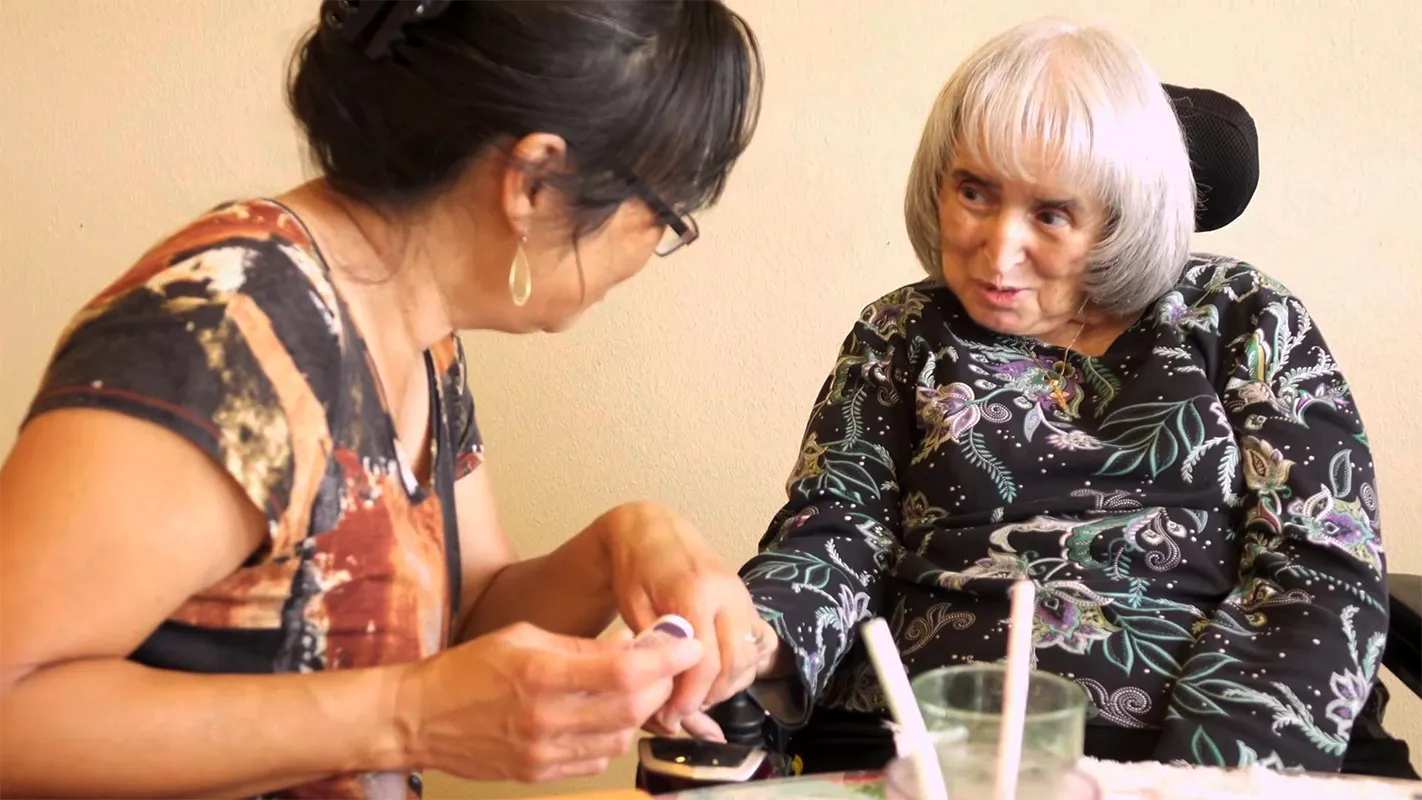
Visit at various times of day if possible. Mealtimes show you staff interaction and food quality. Early evenings reveal how busy or chaotic the building feels as shifts alter. Weekends are helpful since staffing can be thinner; you will see how the location runs when management is less present.
Watch resident deals with. Do individuals look engaged, comfortable, and groomed, or bored and disheveled in wheelchairs lined up along the walls? A single rough moment does not condemn a facility, but patterns matter. Listen to how staff talk to residents: with persistence and warmth, or rushed and job focused.
Ask line personnel, not just supervisors, for how long they have worked there and what they like about the place. High turnover does not automatically imply poor care, but steady, experienced aides and nurses are an excellent indication. Inquire how emergency situations are managed at 2 a.m., what happens if somebody falls, and who calls the family.
If your loved one is capable, include them in visits from the start. Even if cognitive problems limits memory, being physically present in a space gives you important info about their reactions. Some individuals unwind noticeably in a well run memory care system, leaning into the calm predictability. Others appear overwhelmed by sound or activity. Their body movement counts as data.
Balancing safety, autonomy, and dignity
Every option in senior care involves trade-offs. Keeping someone at home with 24-hour guidance might make the most of psychological comfort but sacrifice privacy and independence. Moving faster to an independent or assisted living community can seem like quiting a home, yet it may avoid the injury of a hurried move after a fracture.
The ethical stress is almost always between security on one side and autonomy on the other. An older grownup with mild cognitive problems may demand driving to preserve independence, while their children lie awake during the night fretting about the danger to others. A partner caring for a partner with dementia may choose to keep them in the house, even if caregiving is plainly destroying the caretaker's own health.
There is no single appropriate response. What tends to work finest is a process of ongoing conversation: clarify worths, collect truths, make a choice that fits this minute, and dedicate to revisiting it as requirements evolve. Written advanced regulations and powers of attorney help, however real-life choices still require judgment and compassion.
One beneficial question to ask in tough minutes is, "If I look back a year from now, what will I wish I had provided for this individual?" Often, the response is not "kept them perfectly safe" or "maintained self-reliance at all expenses," however something closer to "protected them from avoidable suffering while appreciating who they are."
Bringing it all together
Senior living alternatives are not a ladder that everyone climbs in the same order. Some people move straight from independent living to hospice in the house. Others stay in assisted living for a decade with increasing supports. Still others move from home to proficient rehabilitation, then to a nursing facility, then back home with extensive services.
The thread running through every choice is relationship. No structure or program can replacement for a relative, friend, or advocate who knows the person's history, choices, peculiarities, and worries. Excellent expert senior care partners with that knowledge instead of changing it.
If you are in the middle of these decisions now, you are already doing something essential: looking beyond slogans and looking for a clear view of the landscape. With a grounded understanding of independent living, assisted living, memory care, competent nursing, respite care, and hospice, you can select settings and services that fit the genuine individual you enjoy, not an idealized client on a brochure.
Give yourself consent to change, change course, and learn along the way. Aging rarely follows a neat script. Thoughtful, sincere attention to requirements and worths, combined with practical knowledge of senior living choices, is the closest thing we have to a roadmap.
BeeHive Homes of Mesquite provides assisted living care
BeeHive Homes of Mesquite provides respite care services
BeeHive Homes of Mesquite supports assistance with bathing and grooming
BeeHive Homes of Mesquite offers private bedrooms with private bathrooms
BeeHive Homes of Mesquite provides medication monitoring and documentation
BeeHive Homes of Mesquite serves dietitian-approved meals
BeeHive Homes of Mesquite provides housekeeping services
BeeHive Homes of Mesquite provides laundry services
BeeHive Homes of Mesquite offers community dining and social engagement activities
BeeHive Homes of Mesquite features life enrichment activities
BeeHive Homes of Mesquite supports personal care assistance during meals and daily routines
BeeHive Homes of Mesquite promotes frequent physical and mental exercise opportunities
BeeHive Homes of Mesquite provides a home-like residential environment
BeeHive Homes of Mesquite creates customized care plans as residents’ needs change
BeeHive Homes of Mesquite assesses individual resident care needs
BeeHive Homes of Mesquite accepts private pay and long-term care insurance
BeeHive Homes of Mesquite assists qualified veterans with Aid and Attendance benefits
BeeHive Homes of Mesquite encourages meaningful resident-to-staff relationships
BeeHive Homes of Mesquite delivers compassionate, attentive senior care focused on dignity and comfort
BeeHive Homes of Mesquite has a phone number of (702) 381-6899
BeeHive Homes of Mesquite has an address of 780 2nd S St, Mesquite, NV 89027
BeeHive Homes of Mesquite has a website https://beehivehomes.com/locations/mesquite/
BeeHive Homes of Mesquite has Google Maps listing https://maps.app.goo.gl/FouNDQWSGjDorrdT7
BeeHive Homes of Mesquite has Instagram page https://www.instagram.com/beehivehomesmesquite/
BeeHive Homes of Mesquite has an TikTok page https://www.tiktok.com/@beehivehomesofmesquite
BeeHive Homes of Mesquite has an YouTube page https://www.youtube.com/@hamiltonshives4468
BeeHive Homes of Mesquite won Top Assisted Living Homes 2025
BeeHive Homes of Mesquite earned Best Customer Service Award 2024
BeeHive Homes of Mesquite placed 1st for Senior Living Communities 2025
People Also Ask about BeeHive Homes of Mesquite
What is BeeHive Homes of Mesquite Living monthly room rate?
Our base rate is $4,400/month plus a one-time community fee of $1,500. We do an assessment of each resident's needs upon move-in, so a resident's rate may be slightly higher. Based on the assessment, a resident may be in Tier I, II, or III with pricing from $4,900 to $5,300 per month. However, we do not add any "a la carte" charges after that rate is set. There are no add-ons or hidden fees
Does Medicare or Medicaid pay for a stay at Bee Hive Homes?
Medicare pays for hospital and nursing home stays, but does not pay for assisted living. Some assisted living facilities are Medicaid providers, but we are not. We do accept private pay, long-term care insurance, and we can assist qualified Veterans with approval for the Aid and Attendance program
Do we have a nurse on staff?
We do have a nurse on contract who is available as a resource to our staff but our residents' needs do not require a nurse on-site. We always have trained caregivers in the home and awake around the clock
What can you tell me about the food at Bee Hive?
You have to smell it and taste it to believe it! We use dietitian-approved meals with alternates for flexibility, and we can accommodate needs for different texture and therapeutic diets. We have found that most physicians are happy to relax diet restrictions without any negative effect on our residents
Do we have a pharmacy that fills medications?
We do have a relationship with an excellent pharmacy that is able to deliver to us and packages most medications in punch-cards, which improves storage and safety. We can work with any pharmacy you choose but do highly recommend our institutional pharmacy partner
Where is BeeHive Homes of Mesquite located?
BeeHive Homes of Mesquite is conveniently located at 780 2nd S St, Mesquite, NV 89027. You can easily find directions on Google Maps or call at (702) 381-6899 Monday thru Sunday: 8:00am to 7:00pm
How can I contact BeeHive Homes of Mesquite?
You can contact BeeHive Homes of Mesquite by phone at: (702) 381-6899, visit their website at https://beehivehomes.com/locations/mesquite/ or connect on social media via Instagram Facebook or TikTok
Conveniently located near BeeHive Homes of Mesquite Megaplex a great movie theater with full food & drink menu. Catch a movie and enjoy some great food while you wait.